Reimagining Scotland’s City Centres: Insights from the Scottish Cities Alliance Peer-to-Peer Event
June 26, 2025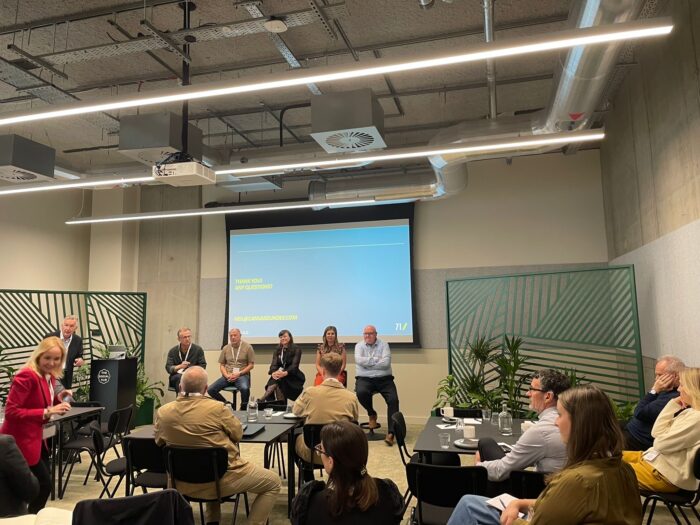
The Scottish Cities Alliance recently hosted a dynamic Peer-to-Peer event focused on the future of retail and the night-time economy across Scotland’s urban centres. With contributions from industry leaders, local authorities, and cultural innovators, the event showcased how cities are evolving through community-led regeneration, data-driven planning, public-private partnerships, and strategic investment.
Unlocking Urban Potential Through Innovation and Collaboration
The event opened with James Rennie of The Social Hub, who presented their £95 million investment in Glasgow – a hybrid model combining student accommodation, co-working, and event spaces. Operating in 21 European cities and certified as a B Corp, The Social Hub exemplifies ethical urban development, reinvesting 1% of revenue into student support. Their approach highlights the value of community partnerships and creative placemaking in attracting long-term investment.
Professor John Lennon (Glasgow Caledonian University and The Moffat Centre) emphasised the need to rethink city centres in a post-COVID context. He called for leveraging technology to enhance urban experiences and attract both domestic and international visitors – an essential strategy for future-proofing Scotland’s cities.
Ewan MacDonald-Russell (Scottish Retail Consortium) provided a comprehensive overview of retail sector challenges, including shifting consumer behaviour, rising costs, and planning constraints. He stressed the importance of accessible, safe, and culturally vibrant city centres, noting the growing influence of ethical consumerism and the need for policy support to sustain retail vitality.
Mike Grieve (NTIA Scotland/Sub Club) introduced the forthcoming Northern Lights manifesto, advocating for governance reform and infrastructure investment to support Scotland’s night-time economy, which sustains 137,000 jobs. He highlighted international models and called for policy innovation to address changing entertainment habits and venue closures.
Gillian McCallum (Scottish Cities Alliance) shared a compelling data-driven overview highlighting the evolving dynamics across Scotland’s cities. Key trends such as the rise of hybrid working and increased footfall sensitivity were underscored as critical challenges. Her presentation emphasised the urgent need for cities to adopt innovative, forward-thinking solutions. These insights aligned seamlessly with case studies from Bristol, Inverness, and Dundee, where creative regeneration and adaptive reuse are already driving meaningful change.
Ian Elder (Glasgow City Council) shared how data is transforming urban management. With 800,000 weekly commuters and a 40% rise in city centre living since 2019, Glasgow’s investment in open data is enabling smarter planning and policy evaluation.
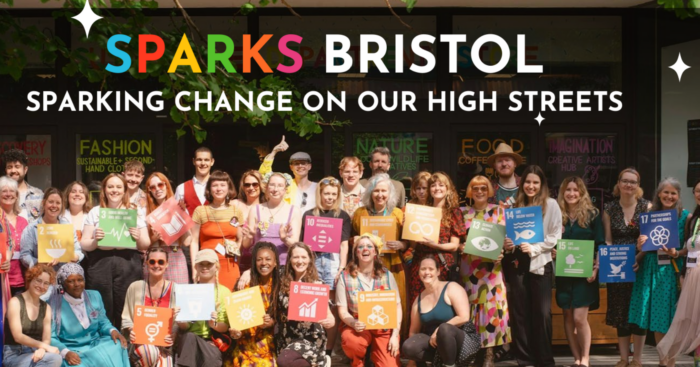
Kathryn Chiswell Jones (Artspace Lifespace) presented Sparks Bristol, a creative reuse of a former retail space into a thriving hub for sustainability, education, and community engagement. With over 1 million visits in two years, Sparks demonstrates the power of artistic collaboration in urban regeneration.
Neil Mowat and Duncan Alexander from CANVAS Dundee and 71 Brewing shared their journey of transforming a neglected site into a vibrant mixed-use venue. Backed by Scottish National Investment Bank and private investment, the project now aims to welcome 120,000 annual visitors and supports local designers, demonstrating the potential of creative regeneration.

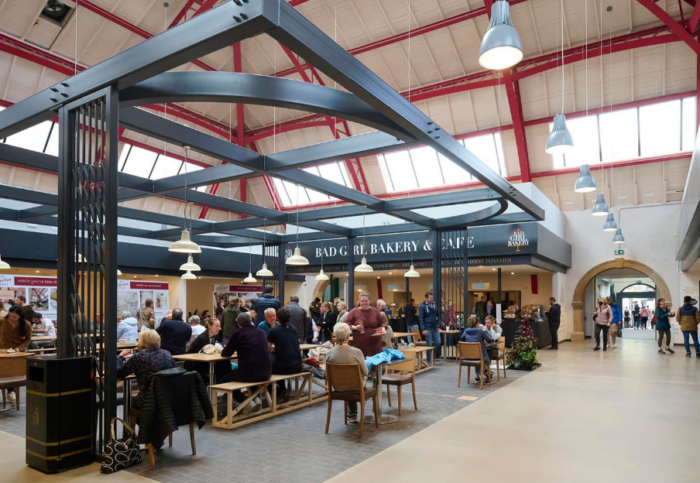
Cameron MacFarlane & Claire Clark from the Inverness Victorian Market have successfully pivoted to a food and drink hall model, alongside the existing market traders, attracting 171,000 visitors in May 2025 alone. Cultural programming and city funding have reinforced its relevance and appeal. They placed importance on the market curation and trusting independent vendors.
Regeneration in Action Across Scotland
The second half of the event spotlighted successful regeneration projects and strategic planning across Scottish cities:
- Danielle McRorie-Smith from Go Forth Stirling (BID), and Fiona Buchanan from Stirling Council, showcased efforts to improve wayfinding and heritage tourism, supported by City Region Deal funding. Initiatives like peer mentoring with Police Scotland are tackling anti-social behaviour and engaging youth as city custodians.
- Steven MacDonald from Perth & Kinross Council highlighted investments in creative infrastructure, including a concert hall and theatre, which have significantly boosted footfall and spending. The Perth Creative Exchange is now fully occupied, reflecting strong demand for cultural and creative spaces.
- Jen Lawie from Aberdeen City Council outlined a 20–30 year masterplan focused on economic diversification, city centre living, and cultural animation. With oil and gas in decline, Aberdeen is pivoting toward renewables and innovation, supported by initiatives like empty shop grants and stakeholder engagement through Aberdeen Inspired.
Strategic Takeaways for Policy and Investment
The event concluded with a clear message: Scotland’s high streets are not dying, they are evolving. To unlock their full potential, participants championed the following key actions:
- Increased community outreach and stewardship
- Embedding sustainable values in urban planning
- Funding support for ideation and innovation
- VAT relief on refurbishment of decayed buildings
- Development mitigation and planning consistency
- Training and marketing for job pathways
- Data cohesion and accessibility
- Utilising the Community Empowerment Act
- Realigning government priorities to support regeneration
A Call to Action
For investors, local authorities, and policymakers, the event underscored the urgency and opportunity in supporting Scotland’s urban transformation. Through strategic collaboration, creative thinking, and targeted investment, our cities can become more inclusive, resilient, and economically vibrant.