
Scotland is at the forefront of the global energy transition, rapidly developing its low-carbon economy to achieve net-zero ambitions and create a sustainable future.
Wind Energy: onshore and offshore powerhouse
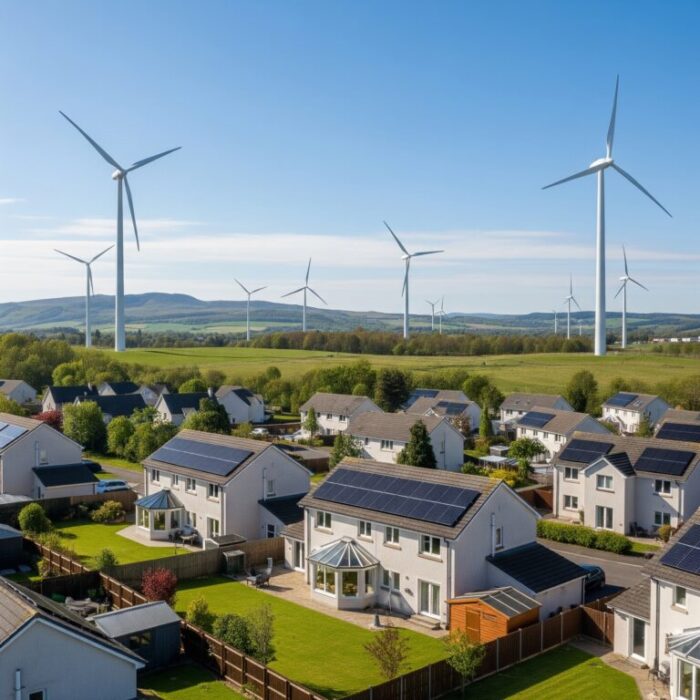
Wind power is the backbone of Scotland’s renewable energy success. By Q2 2024, Scotland had over 16.6 gigawatts of installed wind capacity, with significant contributions from both onshore and offshore wind farms. In 2022, renewables produced the equivalent of 113% of Scotland’s electricity consumption, largely due to wind. The ambition continues with targets for 11 gigawatts of offshore wind by 2030, a 400% increase, further solidifying Scotland’s position as a global leader in renewable energy generation.
ScotWind
This groundbreaking seabed leasing round, managed by Crown Estate Scotland, is enabling the development of up to 27.6 GW of new offshore wind projects across 20 sites in Scottish waters. ScotWind is a critical driver for achieving Scotland’s net-zero targets and positions the country as a global leader in floating offshore wind technology, given its deeper waters. It’s expected to unlock substantial investment and create thousands of jobs, significantly boosting Scotland’s clean energy production.
A Hydrogen Economy on the Rise
Scotland is poised to become a leading hydrogen nation. With abundant renewable resources, particularly wind, the country is investing in green hydrogen production, aiming for 25 gigawatts by 2045. This will not only help decarbonise challenging sectors domestically but also position Scotland as a key exporter of clean energy to Europe. Regional Hydrogen Hubs are fostering innovation across the entire hydrogen lifecycle, from production and storage to distribution and export.
Hydrogen opportunities:
- Aberdeen: The Aberdeen Hydrogen Hub, a joint venture between Aberdeen City Council and bp, focuses on powering the city’s expanding fleet of hydrogen buses and other vehicles. Aberdeen is also bidding to become the UK’s next “hydrogen valley” with the £62 million TH2ISTLE project.
- Inverness and the Highlands: The Inverness Green Hydrogen Hub by H2 Green and SGN Commercial Services aims to provide green hydrogen for transport and potentially heat. The Cromarty Hydrogen Project aims to decarbonise industrial heat for distilleries.
- Glasgow and the Central Belt: The Green Hydrogen for Glasgow project at Whitelee Windfarm aims to be the UK’s largest electrolyser, supplying green hydrogen for transport.
- Fife: The pioneering H100 Fife project is a world-first, set to install a hydrogen network into homes for heating and cooking.
Other Key Low Carbon Technologies and Initiatives
Beyond wind and hydrogen, Scotland is actively developing and deploying a range of other low carbon technologies:
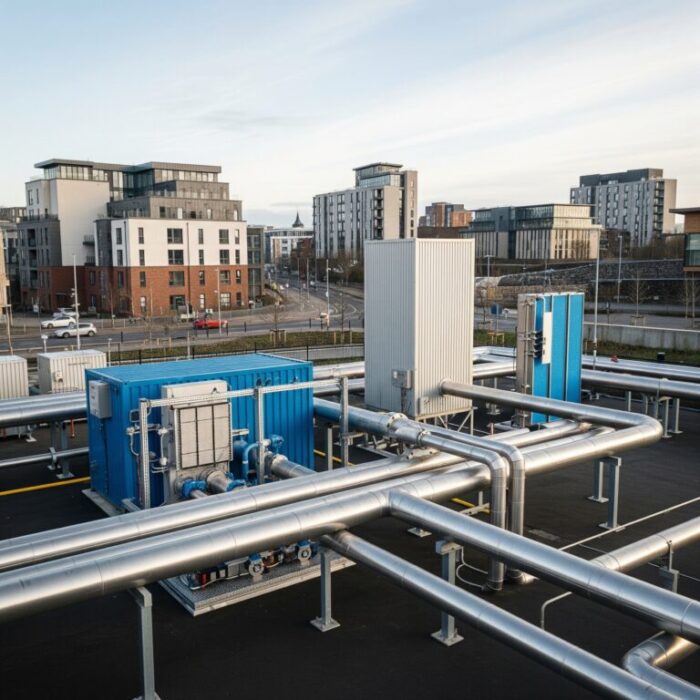
- Carbon Capture and Storage (CCS): Scotland is a prime location for CCS, with vast CO2 storage potential in depleted North Sea oil and gas fields. Projects like the Acorn CCS Project at St Fergus, Aberdeenshire, are crucial for decarbonising industrial emissions.
- Heat Pumps: A cornerstone of decarbonising heat in buildings, heat pumps are being widely adopted across Scotland, replacing traditional fossil fuel heating systems.
- Solar Photovoltaics (PV): Solar PV is playing an increasing role in Scotland’s energy mix, contributing to distributed generation and reducing reliance on the grid.
- Energy Storage (Batteries): Critical for balancing intermittent renewable energy sources, battery energy storage systems (BESS) are gaining traction.
- Bioenergy & Waste-to-Energy:
- Binn Eco Park (Perth): The Binn Eco Park near Perth is developing a £100 million Energy from Waste (EfW) facility, processing waste to generate electricity and heat for local industries.
- District Heat Networks:
- Glasgow: Glasgow boasts eight district heating networks, including innovative systems in areas like Dalmarnock and Sighthill. Projects like the Clyde Gateway and Wyndford Estate schemes provide efficient, low-carbon heating to homes and businesses.
- The Dundee Low Carbon District Energy Hub at Caird Park also showcases this.
- Electric Vehicles (EVs) & Charging Infrastructure:
- Dundee: Dundee is recognised as a leading EV city with a comprehensive and award-winning charging infrastructure, including retractable chargers and solar-powered hubs.
- Stirling: Stirling’s Castleview Low Carbon Transport Hub features solar canopies, battery storage, and multiple charging points, promoting sustainable travel.
- North of Scotland: A newly announced £300 million partnership across Highland, Aberdeen City, Aberdeenshire, and Moray Councils will significantly expand EV charging infrastructure in the region, aiming for 570 new charging stations by 2028.
Local Heat and Energy Efficiency Strategies (LHEES): a UK leader
Scotland is leading the way in the UK with its Local Heat and Energy Efficiency Strategies (LHEES). All Scottish local authorities are legally required to prepare and regularly update these strategies. LHEES provides a crucial, place-based framework for planning and delivering heat decarbonisation and energy efficiency improvements in buildings across entire local authority areas. This comprehensive approach, which includes identifying strategic heat decarbonisation zones and prioritising interventions, ensures a tailored and strategic transition to net-zero heating, making Scotland a trailblazer in localized energy planning.
Supply Chain and Social Infrastructure Opportunities
The growth in green energy and low carbon technologies creates immense supply chain opportunities for businesses across Scotland, from advanced manufacturing and fabrication to R&D and operational support. Scotland’s Green Freeports, like Inverness & Cromarty Firth, are pivotal in this, offering tax and customs incentives, and fostering innovation and skills development.
Beyond industrial growth, these developments also present significant social infrastructure opportunities. Large-scale energy projects necessitate new housing for workers, and companies like SSEN Transmission are actively supporting the delivery of over 1,000 new homes in the North of Scotland. Furthermore, the transition includes significant investment in energy transmission infrastructure, which facilitates the expansion of EV charging networks and supports wider decarbonisation efforts in housing and transport, aiming for an inclusive energy transition that benefits all communities.
Job Creation
This thriving renewable energy and low carbon technology sector is a major job creator in Scotland. In 2022, Scotland’s renewable energy industry and its supply chain supported over 47,000 jobs, with offshore wind accounting for nearly 20,000 of these roles and onshore wind supporting over 16,000. This demonstrates the substantial economic output and employment opportunities driven by Scotland’s commitment to a green future.

Copyright © 2025 Scottish Cities Alliance. All rights reserved.

LHEES, area-wide plans for improving building energy efficiency and decarbonising heat, are crucial for Scotland’s energy transition. These strategies provide a framework for improving energy efficiency and reducing carbon emissions in buildings by 2045. Cities are implementing LHEES to identify and prioritise areas for energy improvements, ensuring a coordinated approach to decarbonisation.

Efforts to decarbonise urban areas are gaining momentum. Initiatives like the Low Carbon Infrastructure Transition Programme (LCITP) support projects that reduce greenhouse gas emissions. Cities are developing net zero neighbourhoods, focusing on energy efficiency, sustainable transport, and green spaces. These neighbourhoods aim to create healthier, more sustainable urban environments.
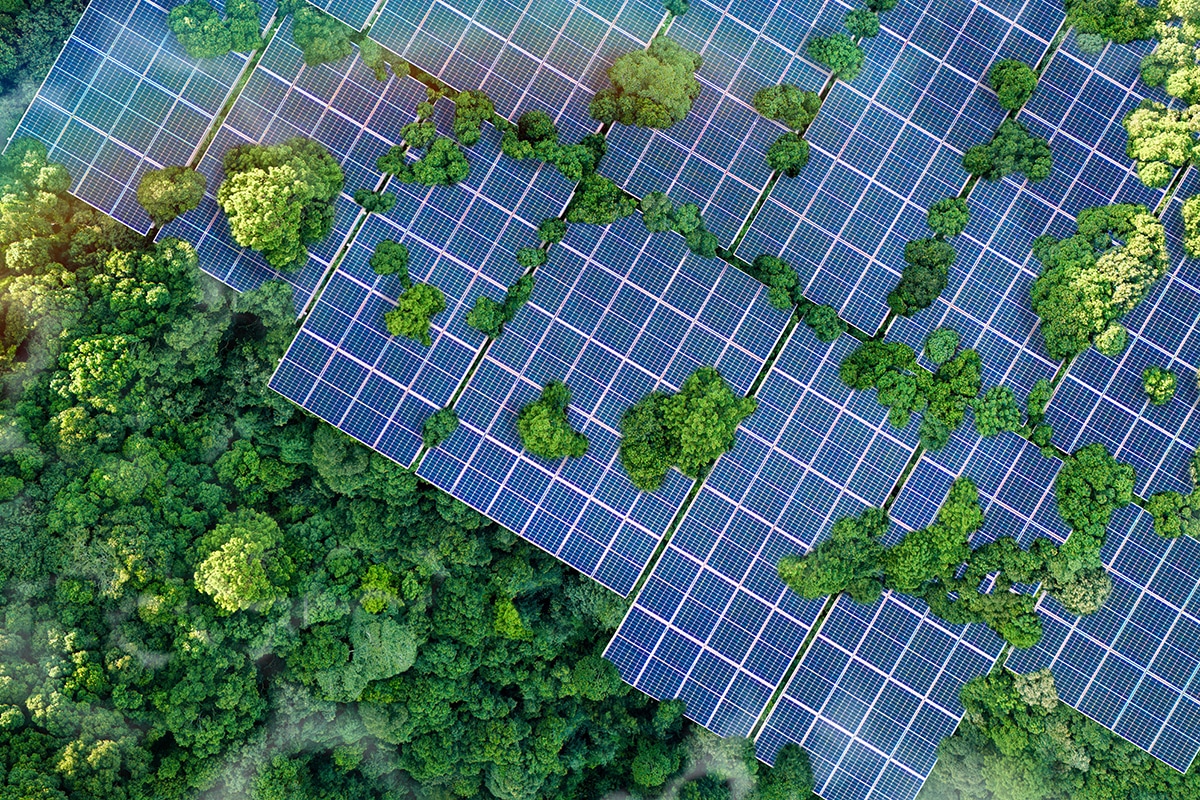
Scotland’s commitment to renewable energy is evident in its infrastructure. The country is a leader in wind energy, with numerous onshore and offshore wind farms. Cities are increasingly integrating renewable energy sources into their grids, supporting Scotland’s ambitious climate targets.

Transport infrastructure in Scotland’s cities is robust and continually improving. Scotland’s road network spans approximately 35,400 miles (56,959 km), with major road networks like the M8 connecting Glasgow and Edinburgh facilitating efficient travel and commerce. Rail connectivity is equally vital, with cities like Edinburgh and Glasgow serving as central hubs in the UK’s national rail network. The Caledonian Sleeper service, the overnight sleeper train service also provides a convenient connection between London and many of Scotland’s cities.

The rise of digital services has increased demand for data centres. Scotland’s cool climate and renewable energy resources make it an attractive location for green data centres. These facilities use energy-efficient technologies and renewable energy sources to minimise their environmental impact. Cities like Edinburgh and Glasgow are exploring opportunities to develop such centres, supporting the digital economy while aligning with sustainability goals.

Scotland is making significant strides in digital connectivity. The rollout of 5G and full-fibre broadband is transforming cities into digital hubs. CityFibre’s Gigabit City Investment Programme is a key initiative, aiming to provide full-fibre infrastructure to cities up and down Scotland and the wider UK. This programme supports the Scottish Government’s goal of ensuring superfast broadband access for all premises by 2027. Stirling became the UK’s first completed Gigabit City in 2020.